Knowledge Base
OTOMONO, on the other hand, aims to address this incongruity and to re-balance the weights by adopting a wider and more inclusive definition of "acoustical heritage", extending what proposed in [2]. To this end and hereinafter, acoustical heritage will be intended as "any sounds that form a testimony of an acoustic environment or situation, from a natural and cultural perspective".
REFERENCES
[1] Xiaoyan Zhu, Tin Oberman, Francesco Aletta. Defining acoustical heritage: A qualitative approach based on expert interviews, Applied Acoustics, Volume 216, 2024, 109754, ISSN 0003-682X, https://doi.org/10.1016/j.apacoust.2023.109754.
[2] Meri Kytö, Nicolas Rémy, Heikki Uimonen, Françoise Acquier, Gabriel Bérubé, et al.. European Acoustic Heritage, [Research Report] 83, Tampere University of Applied Sciences; Phonogrammarchiv, the Austrian Academy of Sciences ; The multidisciplinary collective Escoitar; The Isle of San Simón Foundation; CRESSON. 2012, pp.108.
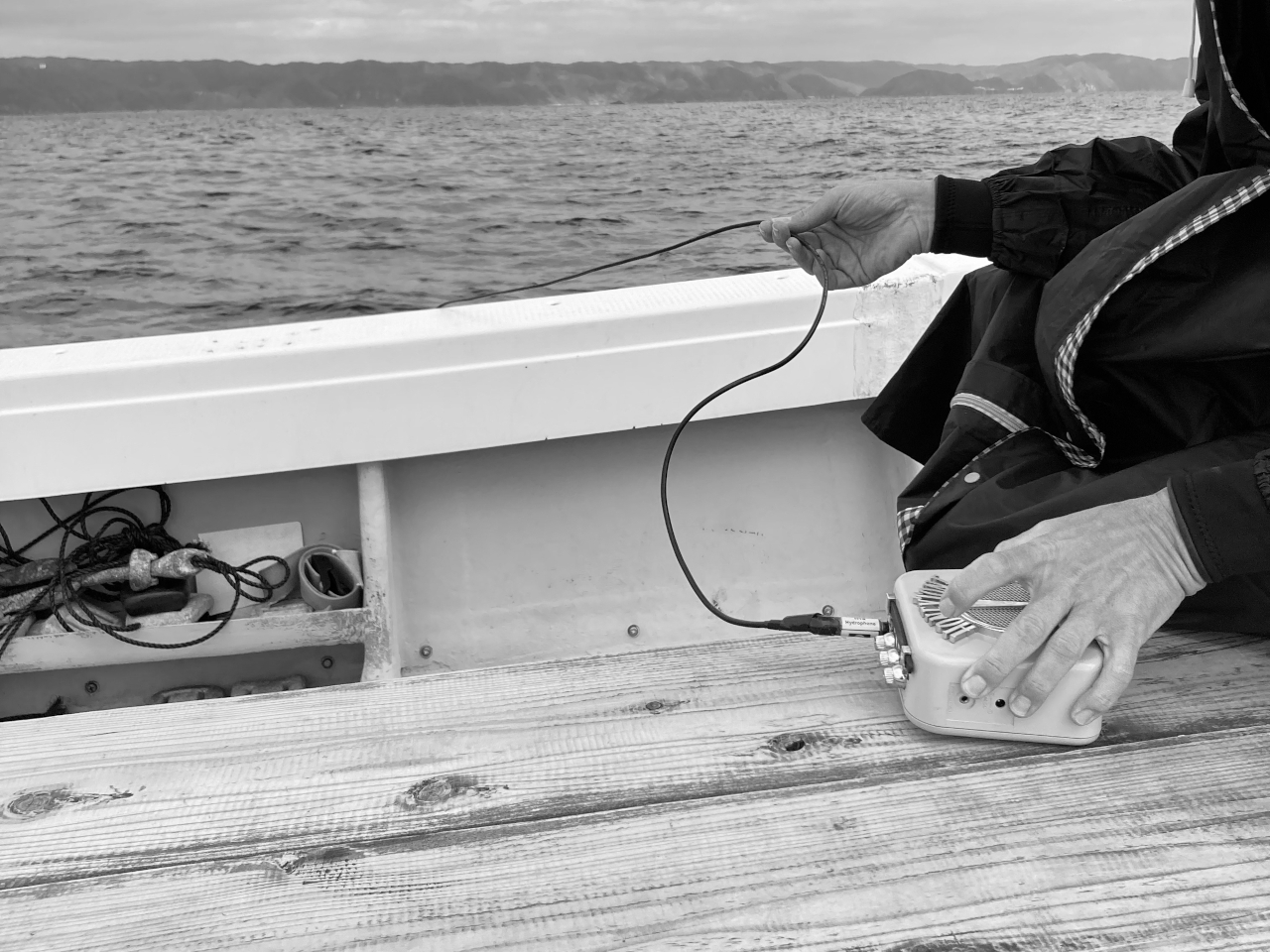
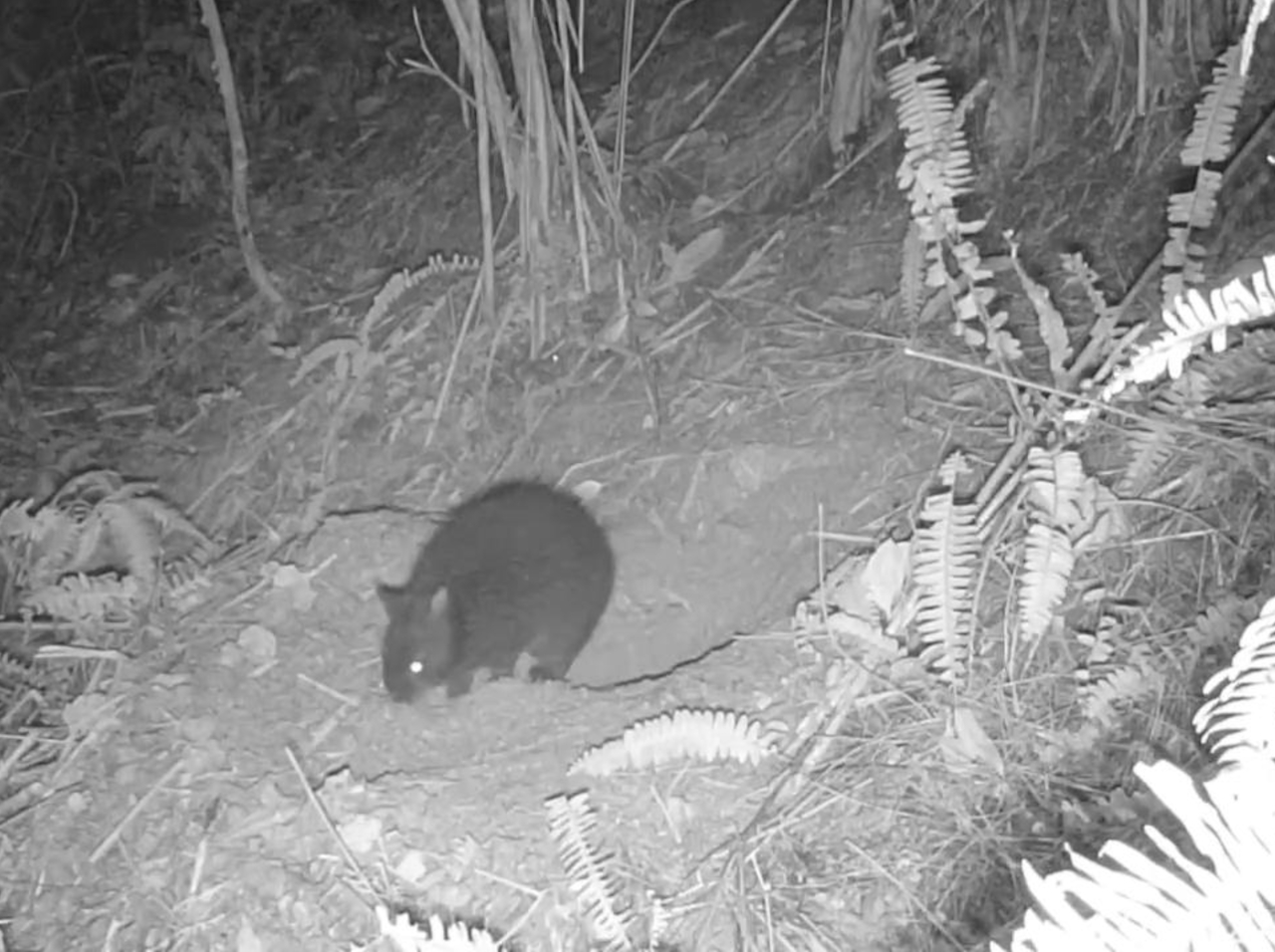
Photo Gallery
Promotional Video
What is OTOMONO?
An open collective focused on sound-based perspectives on ecology, engaged in educational, scientific and community-driven initiatives.

Stefano Kalonaris
Former Research Scientist at the RIKEN Center for Advanced Intelligence Project (JP), and visiting researcher at Sensilab, Monash University (AU). Alumnus of the Centre for Interdisciplinary Research in Sound and Music, Queen's University Belfast (UK). Member of the Society for Bioacoustics and the Soundscape Association of Japan. Specializes in sonic interaction design and machine learning with particular interest in environmental applications.

Haruka Saito
Graduated in Visual Cultures at Goldsmiths, University of London, Haruka Saito is an independent art project manager and coordinator with extensive experience in Japan, Europe, and the US. Her recent focus is on exploring alternative ways in which contemporary art and cultural practice can raise questions and intervene in the ecological discourse, cultivating new kinds of peripheral attention and reimagining the relations entangling microbiome, plant, animal and human lives.

Haruka Hirayama
Haruka Hirayama is a sound artist and researcher who explores new forms of expression through sound and technology. She holds a Ph.D. in Music from the University of Manchester (UK), and has been active in the fields of computer music, sound art, and interactive art. She is currently engaged in research and education as an Associate Professor at the Department of Information Media, Hokkaido Information University in Hokkaido, Japan.
Purpose
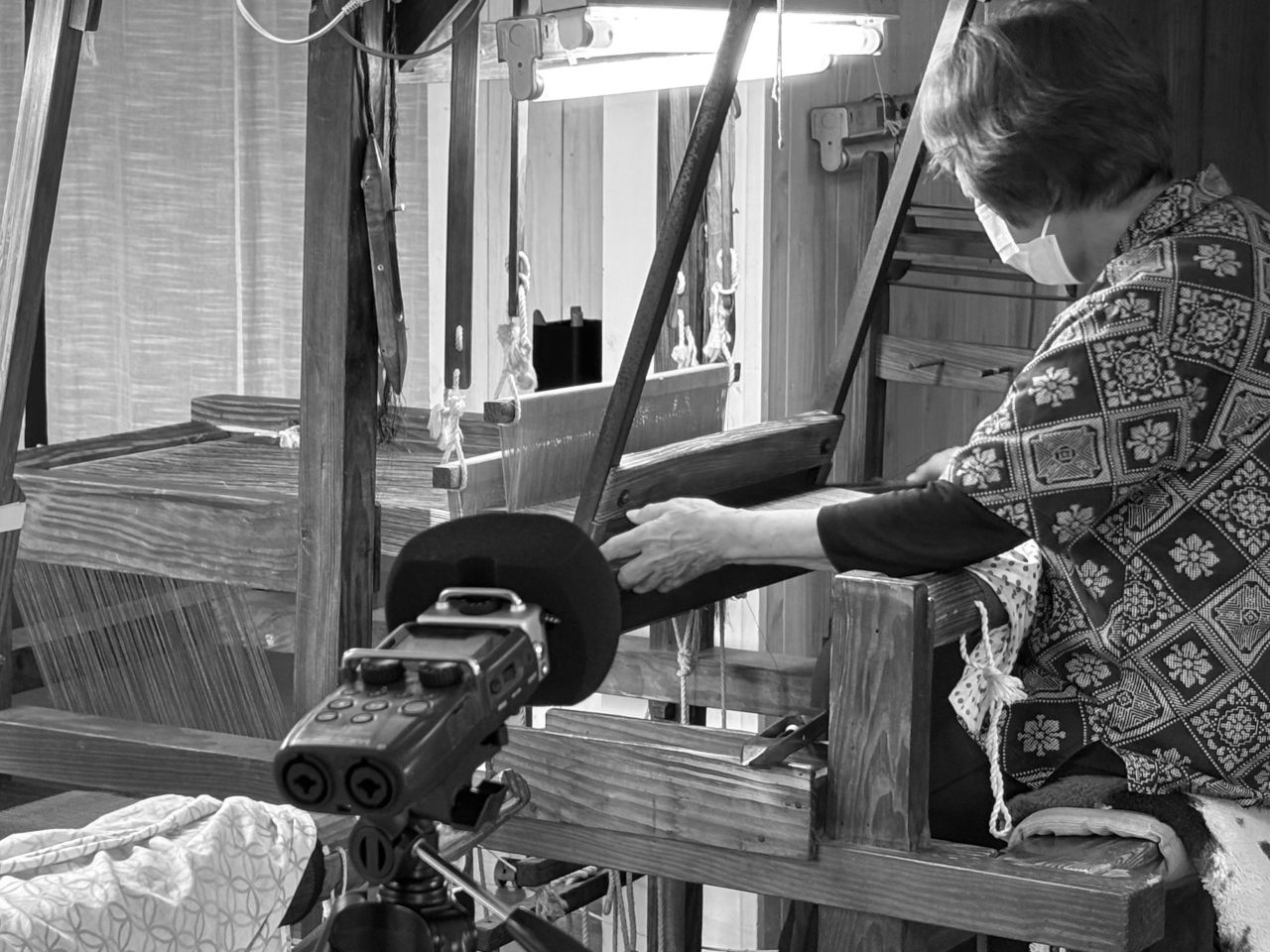
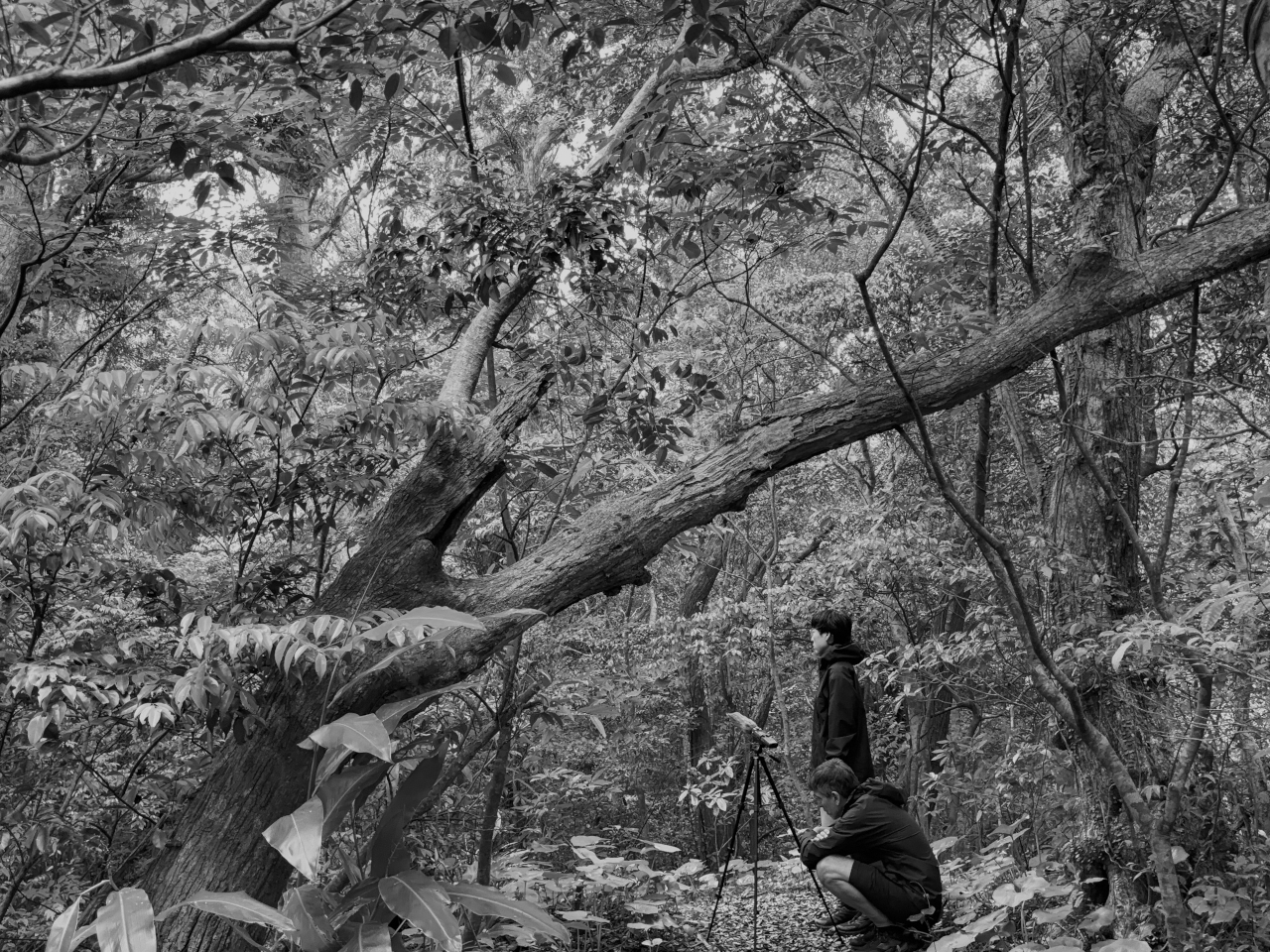
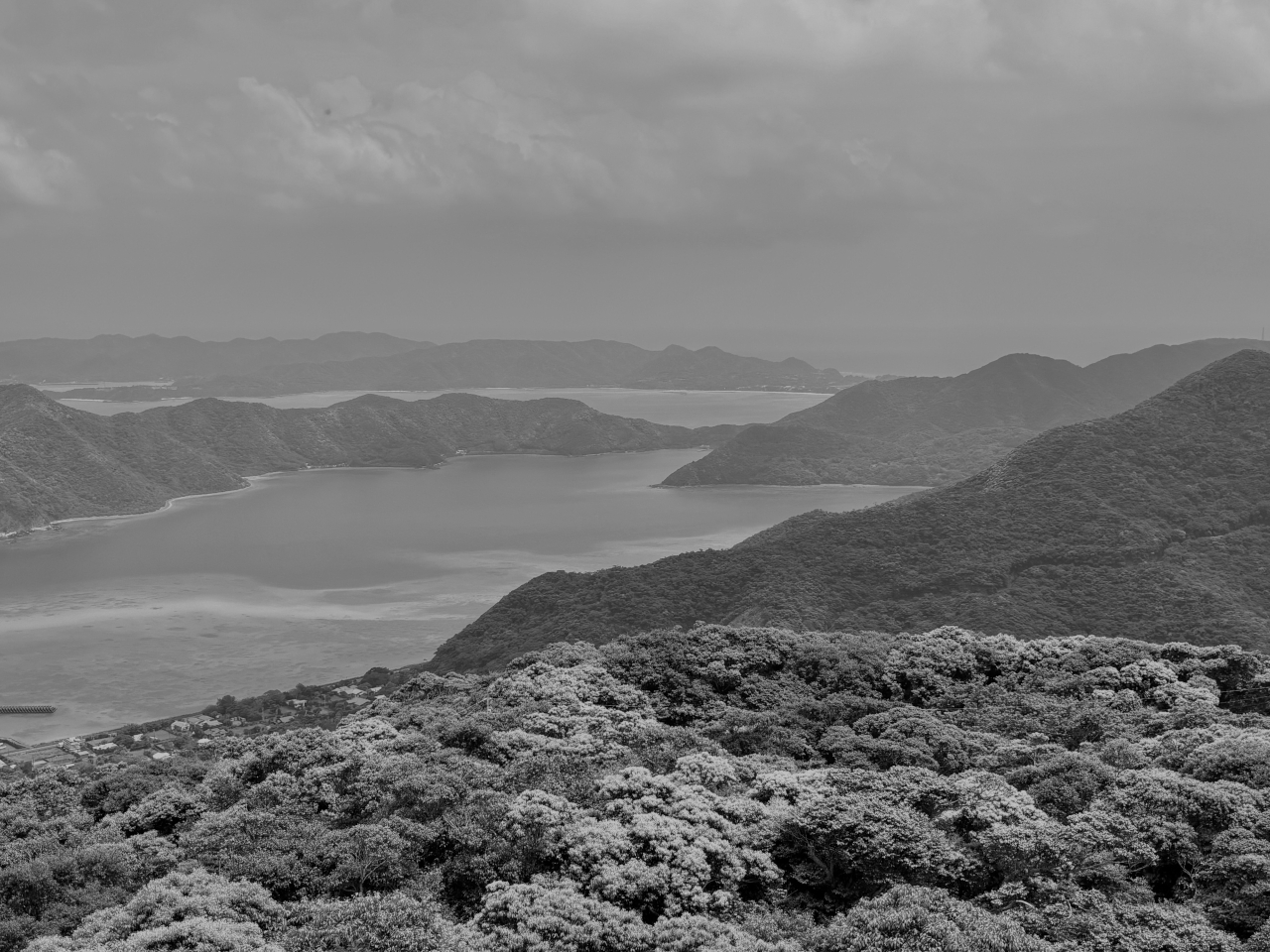
This funding campaign is spearheaded by OTOMONO to raise funds for creating the first ever Amami-Oshima sound library using immersive 3D spatial audio, hereinafter the Amami Acoustic Heritage Archive (AAHA).
Context
OTOMONO has deep roots in the Amami islands network. The founding member, for example, has already worked on the acoustic monitoring of endemic species such as the Amami rabbit, and has ties with several local institutes and laboratories involved in the promotion of Amami's world heritage status, such as the Amami Wildlife Center, the QuruGuru Museum, and the Amami-Oshima World Heritage Conservation Center.


Assurance
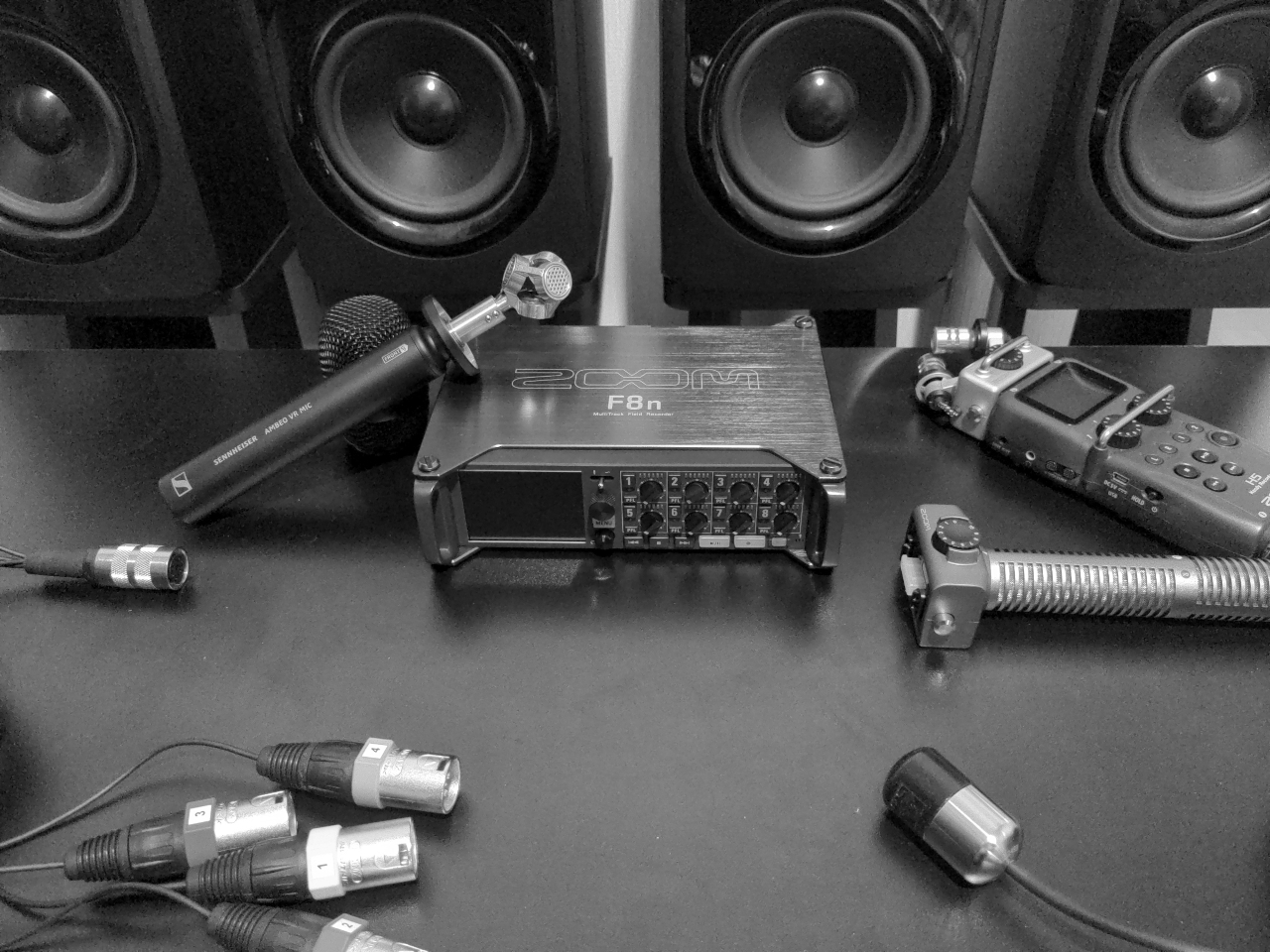
OTOMONO has many years of experience in audio engineering, bioacoustics, sound art, and education, and can guarantee a high level of professionalism in all stages of the initiative, from field recording to web-based repository deployment and maintenance, all in accordance to national & international protocols and laws.
Sample Playlist
The following audio samples are meant to give you an idea of what sounds would possibly be included in the final version of the archive.
IMPORTANT: these are not 3D audio samples!
Timeline
The timeline will largely depend on the amount raised through the fundraising campaign. One year of continuous recording, for example, would allow a complete representation of the acoustic biodiversity & sound heritage across the seasons.
Funding Targets
- Full funding (~12 milion JPY): 2 months of preparation, 12 months of recording, and 2 months of web-based archive development. Backers rewards.
- Half funding (~6 milion JPY): 1 month of preparation, 6 months of recording, and 1 month of web-based archive development. Backers rewards.
- No funding: time-unbounded, best-effort based on volunteering contributions. No rewards.